A Brief History of Raglan Castle
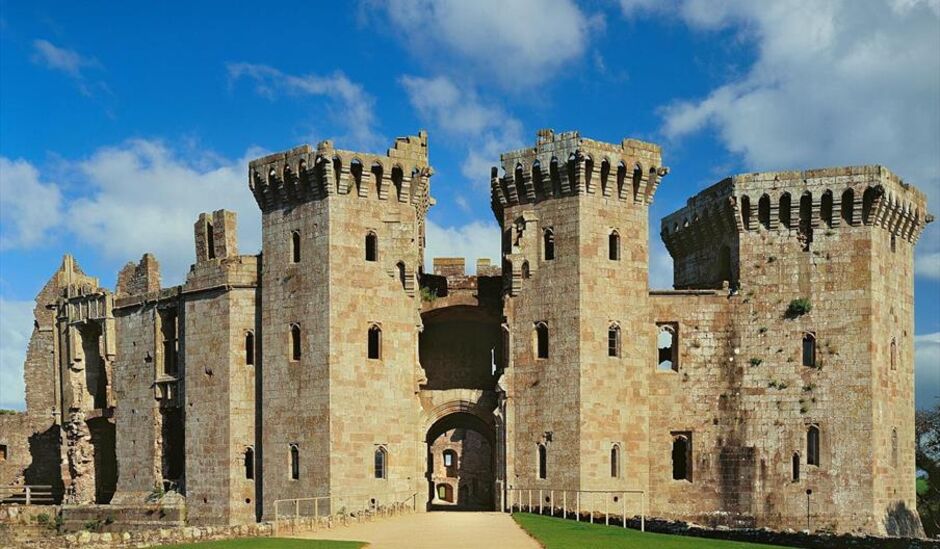
Raglan Castle is one of the most impressive late medieval fortresses in Wales, located just north of the village of Raglan in Monmouthshire. The castle we see today was built and developed from the 15th century onwards, with major phases of construction by Welsh nobility, including Sir William ap Thomas and his son, William Herbert, who transformed it into a grand fortified residence and symbol of power.
Unlike many earlier castles focused solely on defence, Raglan was designed to impress as much as to protect, featuring a dramatic Great Tower, beautiful Renaissance gardens, and expansive living quarters that reflected wealth, status and sophistication. Under the Earls of Worcester in the 16th and early 17th centuries, the castle became a lavish country seat with one of Britain’s finest gardens.
During the English Civil War (1642–1646), Raglan was one of the last Royalist strongholds to fall. After a long siege, it surrendered and was deliberately “slighted” (partially destroyed) by Parliamentary forces to ensure it could never be used militarily again. In subsequent years the site became a source of stone for local building projects.
Today Raglan Castle stands as a remarkable ruin preserved by Cadw, the Welsh heritage agency, and remains a beloved historic site and tourist attraction.
Connecting Oaklands Barn to That Legacy
Just as Raglan Castle has stood for centuries as a symbol of history and strength, Oaklands Barn carries its own authentic link to the past.
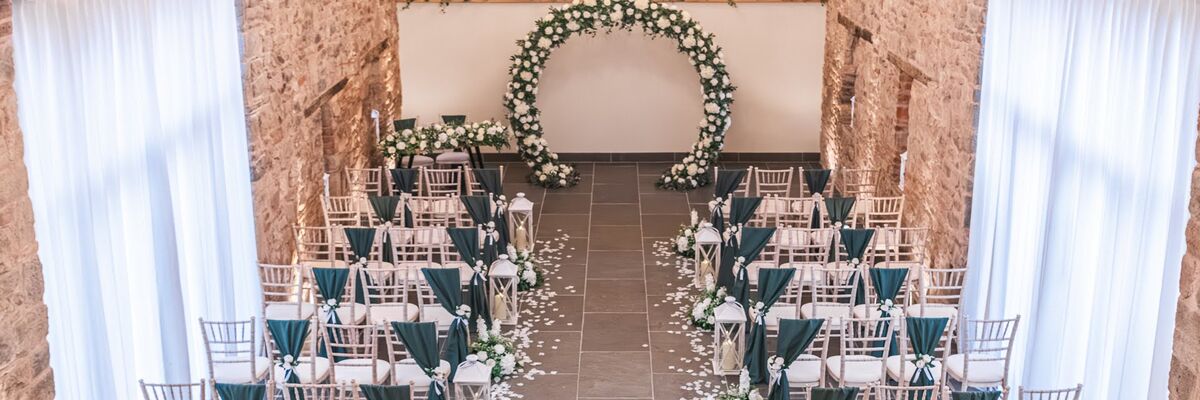
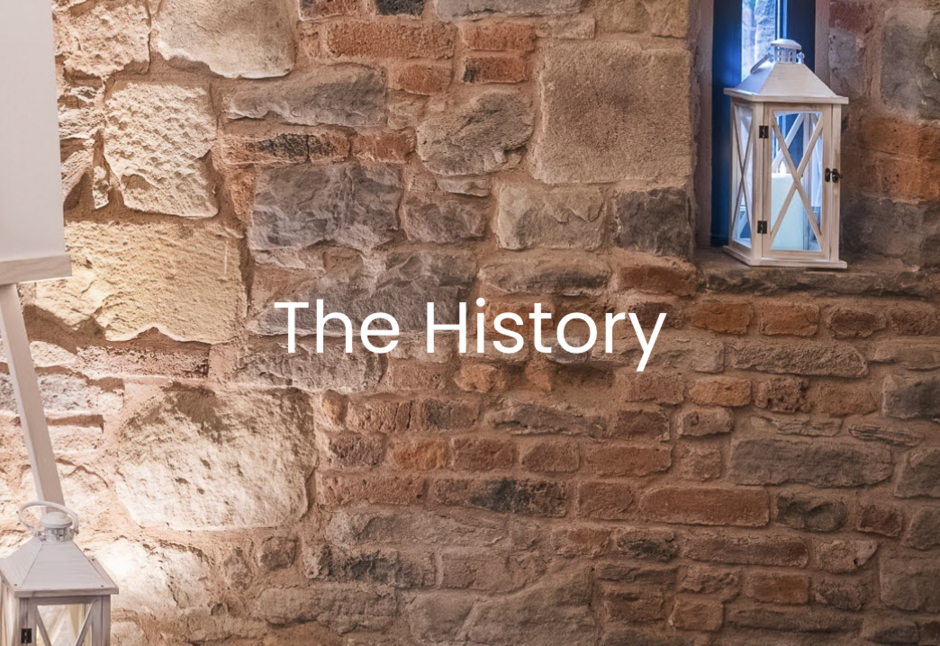
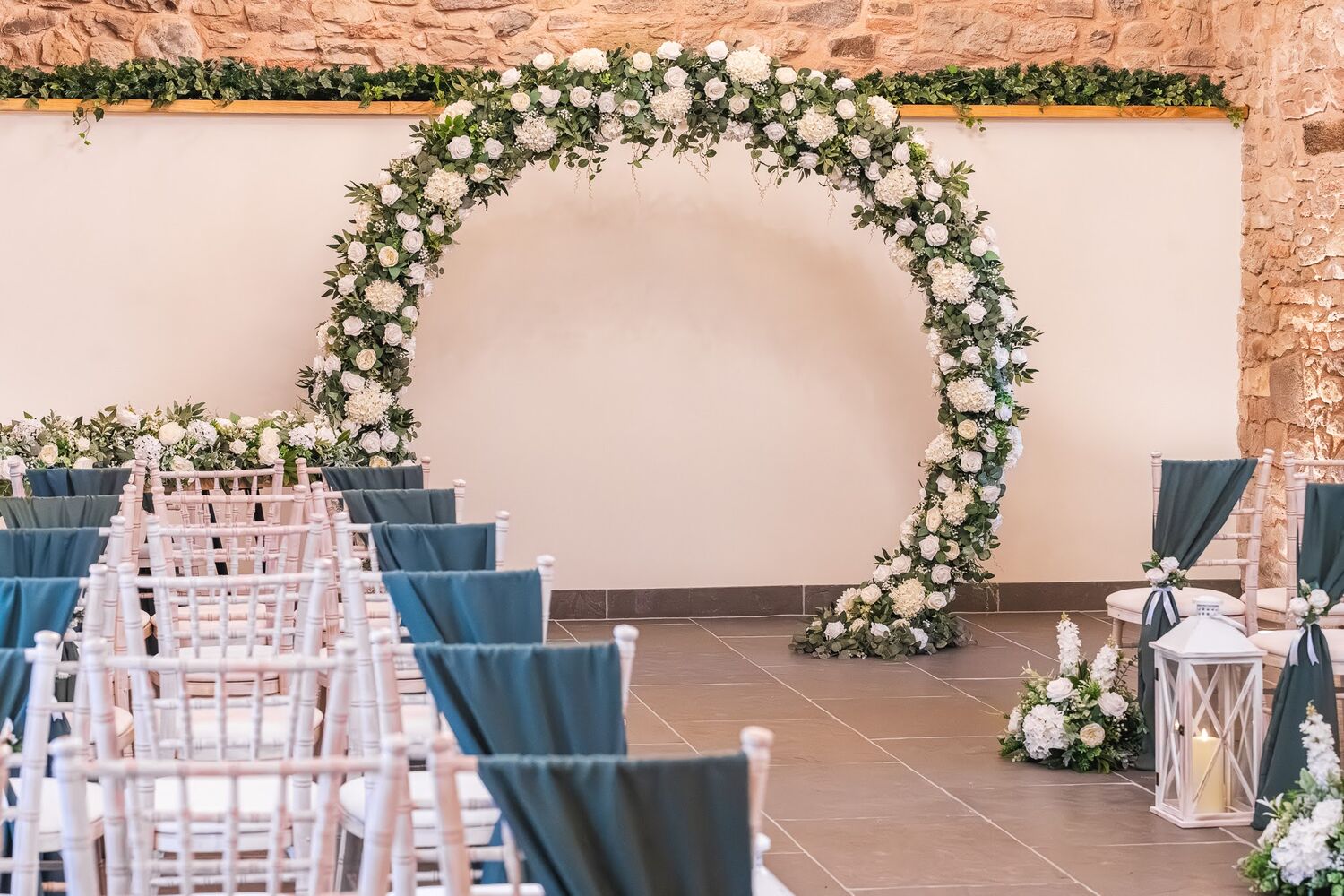
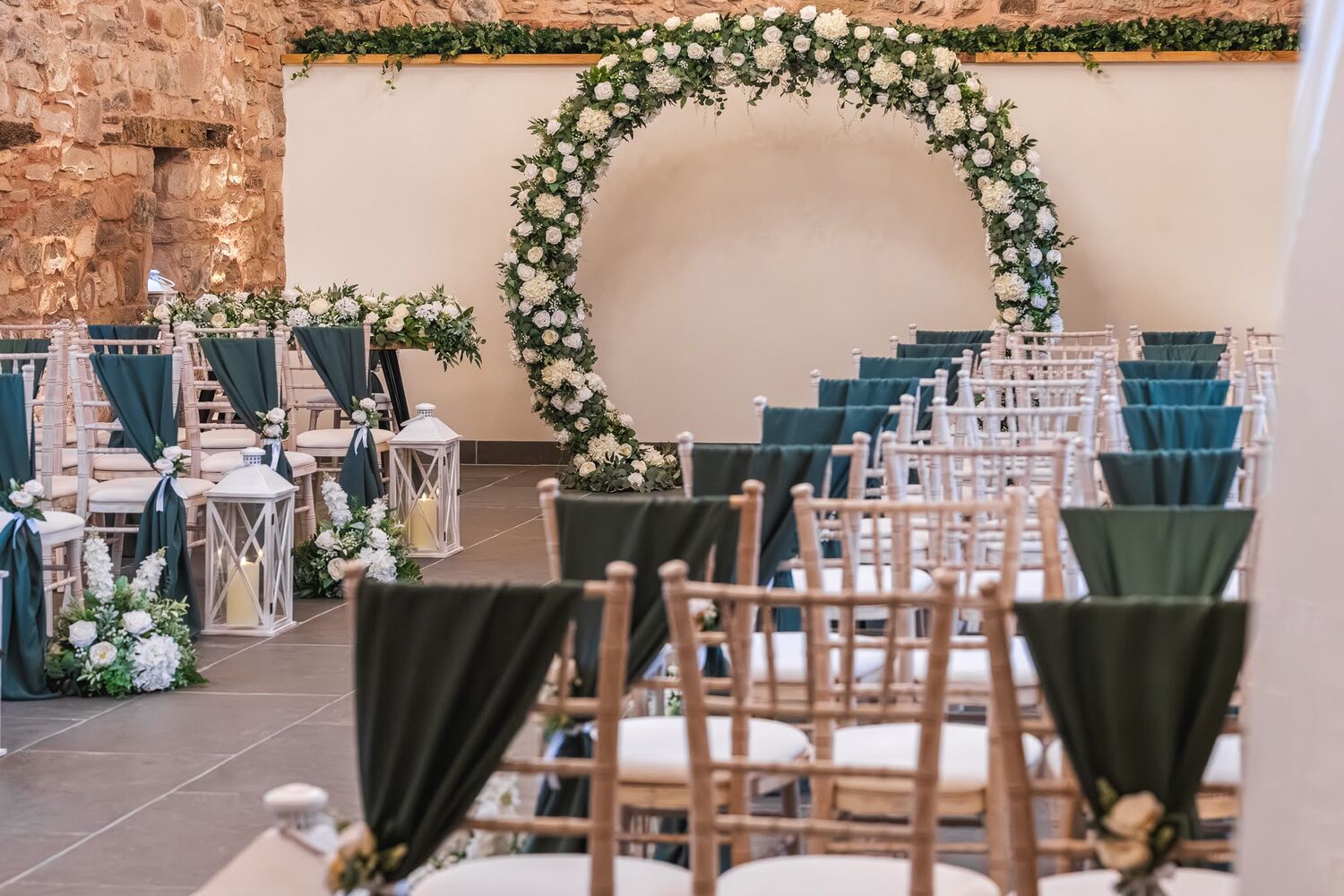
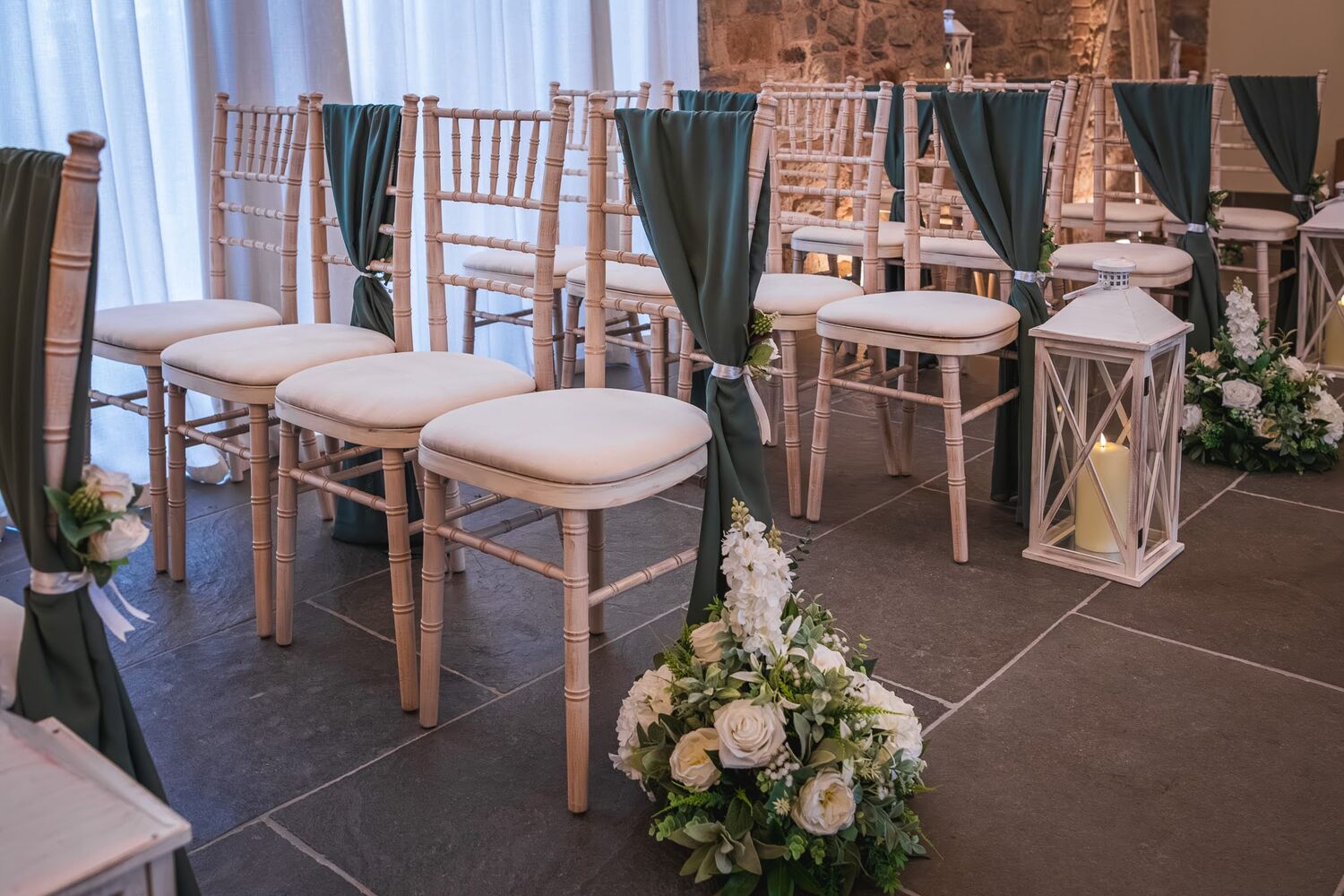
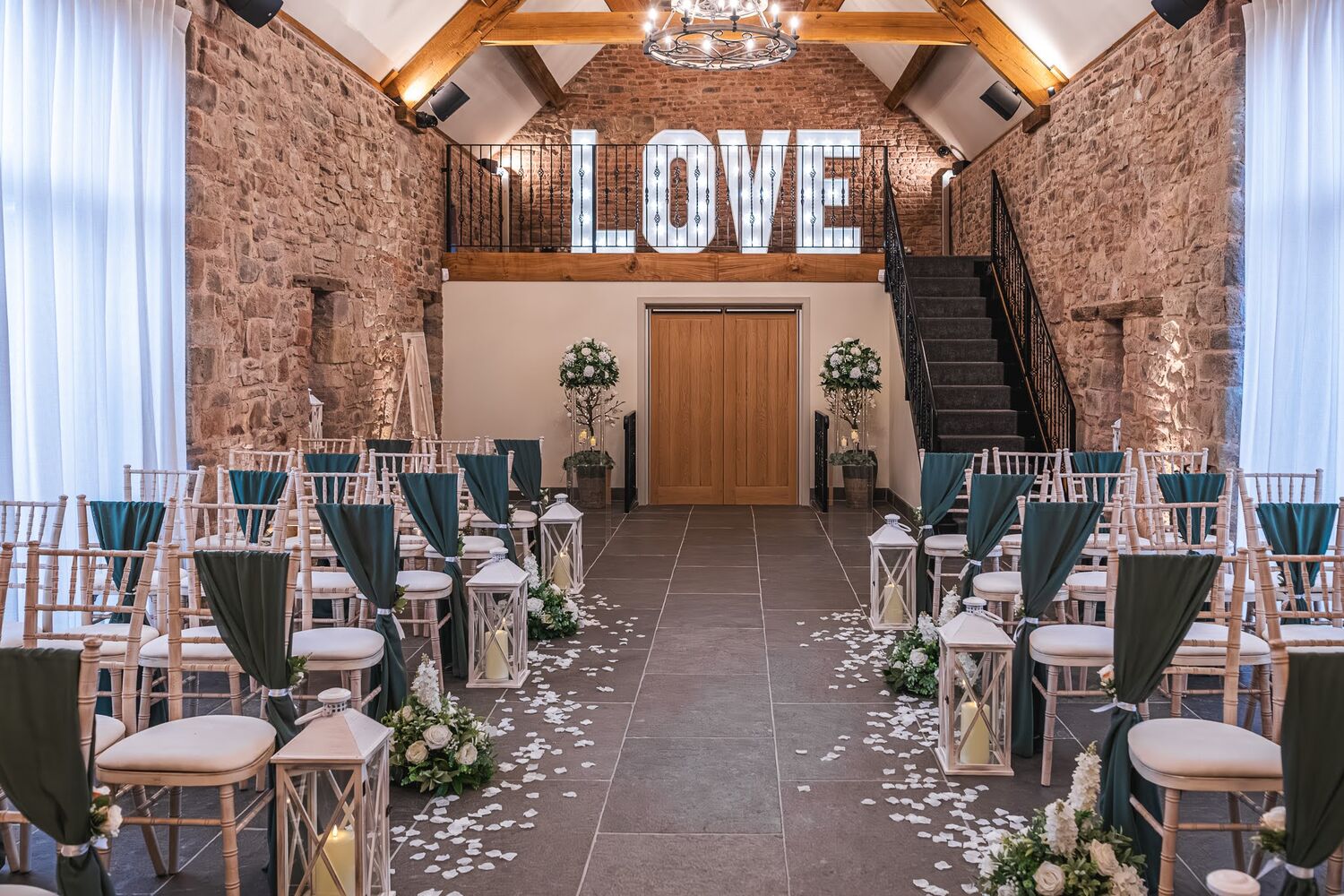
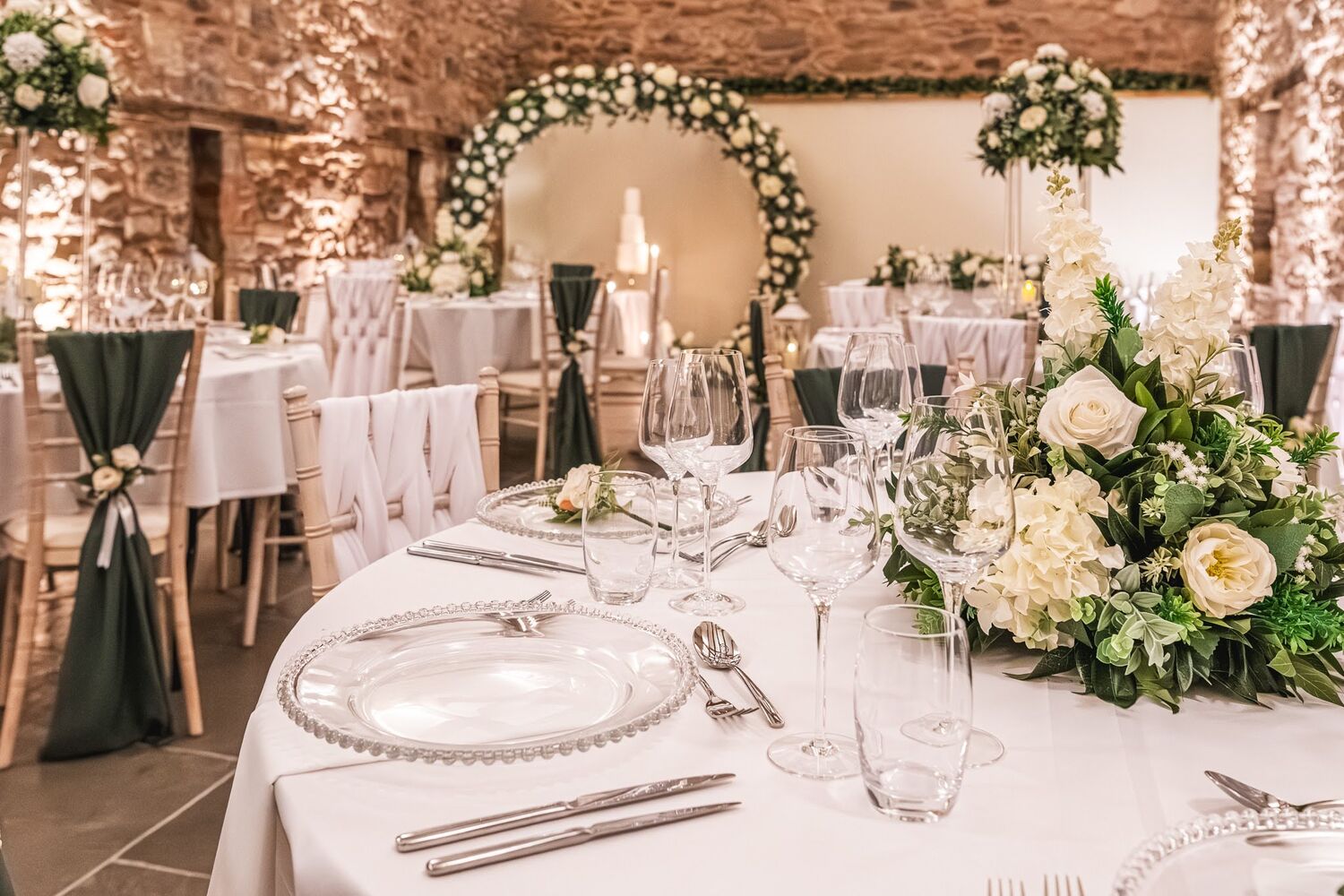
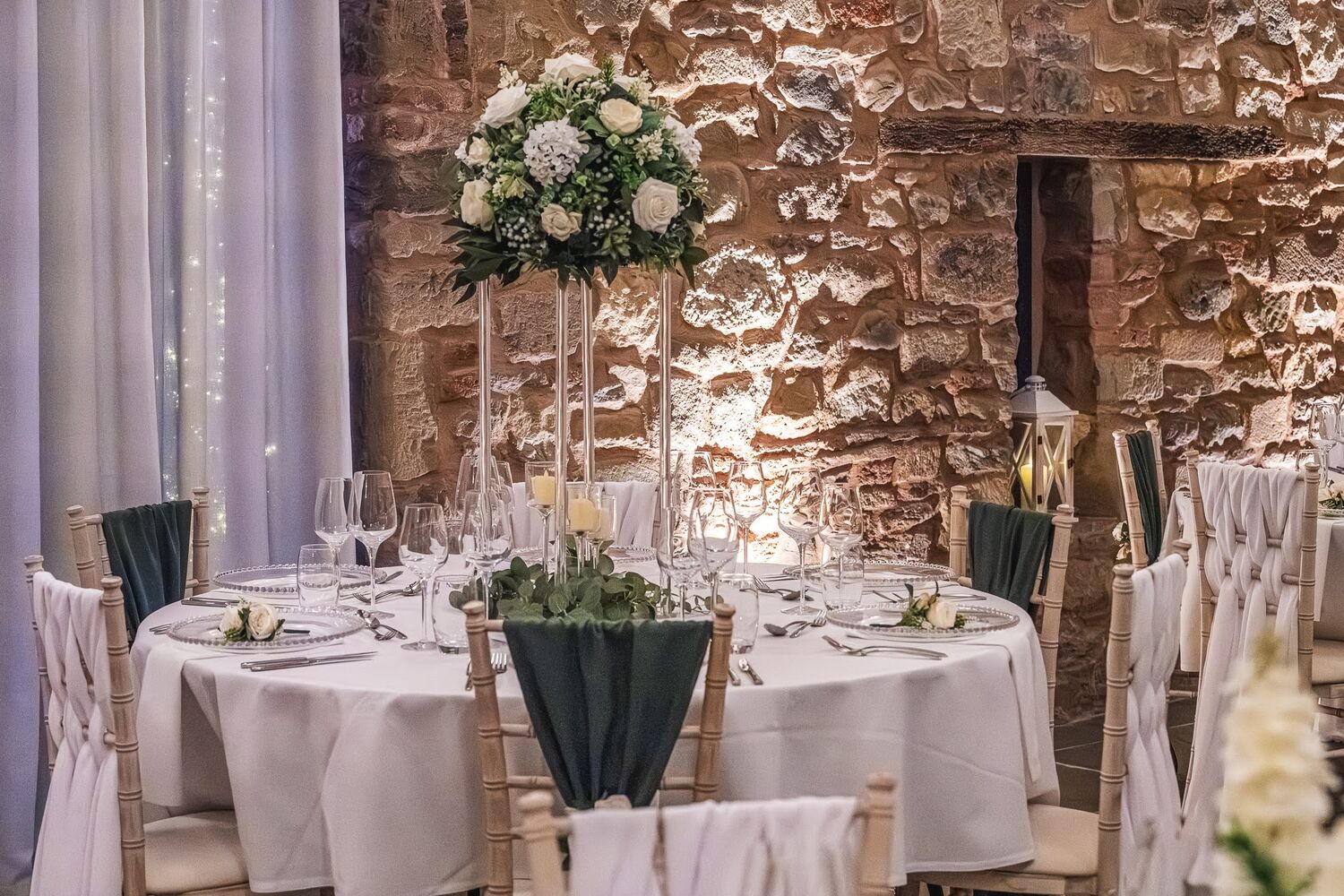
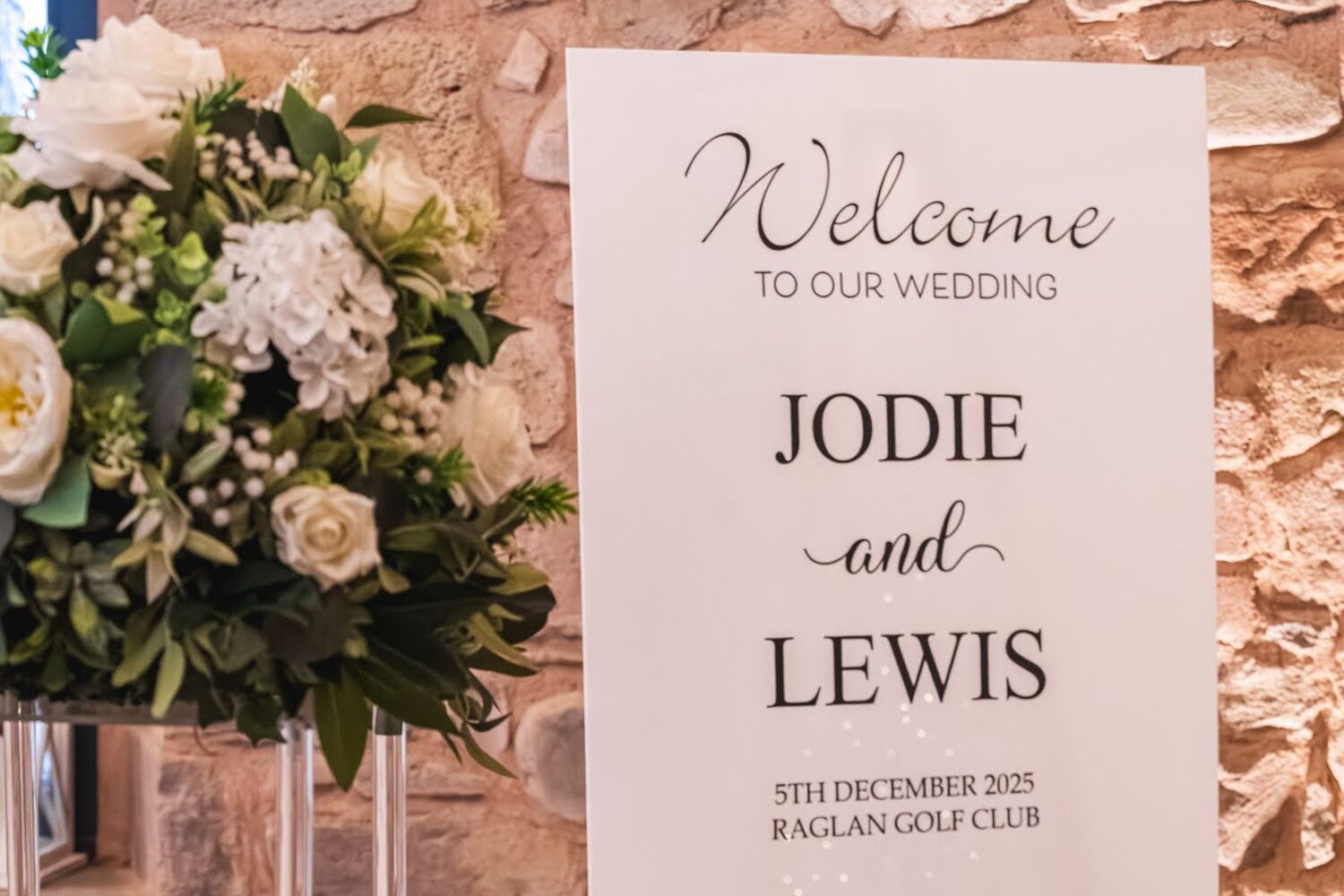
Constructed in the 17th century using original stone from Raglan Castle, Oaklands Barn brings a piece of that heritage into a beautifully restored setting. Comprising historic stone walls and stunning oak beams, the barn blends timeless character with modern restoration, making it a meaningful and striking venue for weddings and special occasions.